
















While detox timelines can vary, withdrawal symptom onset typically occurs several hours after the last use, peaks within 72 hours, and dissipates within a week. However, there are factors that affect their duration. While symptoms can be unpleasant, they can be managed for optimal comfort.
Key Takeaways
- SUDs are common, and many people don’t get the care they need. Some who forgo care may do so because they don’t know what to expect from the detox and withdrawal process.
- Symptoms and timelines vary depending on the type of drug, the severity of drug use, and biological and mental factors. However, symptoms commonly subside after a week.
- After detox is complete, clients typically move on to rehab, addressing the underlying cause of addiction.
Table of Contents
- What Happens During Detox?
- Why Do Withdrawal Symptoms Vary?
- What Is the Detox Timeline By Substance?
- How Does Encino Detox Center Manage Withdrawal Symptoms?
- What Happens After Detox?
- Encino Detox Centers Will Help You Through the Recovery Process
- FAQs
Introduction
SAMHSA research reveals that only about one in five of the millions of people diagnosed with an SUD actually get the care they need. While the factors for not getting treatment vary, a fear of the unknown or the unpleasantness and even dangers associated with withdrawal symptoms could play a role. However, withdrawal can be managed, and with expectations set, people understand what their experience entails.
This article lays out what to expect during the recovery process to support your journey.
What Happens During Detox?
Different types of drugs affect people differently, but most cause a surge in dopamine. Over time, the body becomes used to operating at these elevated dopamine levels and has difficulty producing dopamine naturally. When the drug is not present in the body, withdrawal symptoms, such as depression, anxiety, and flu-like symptoms, occur.
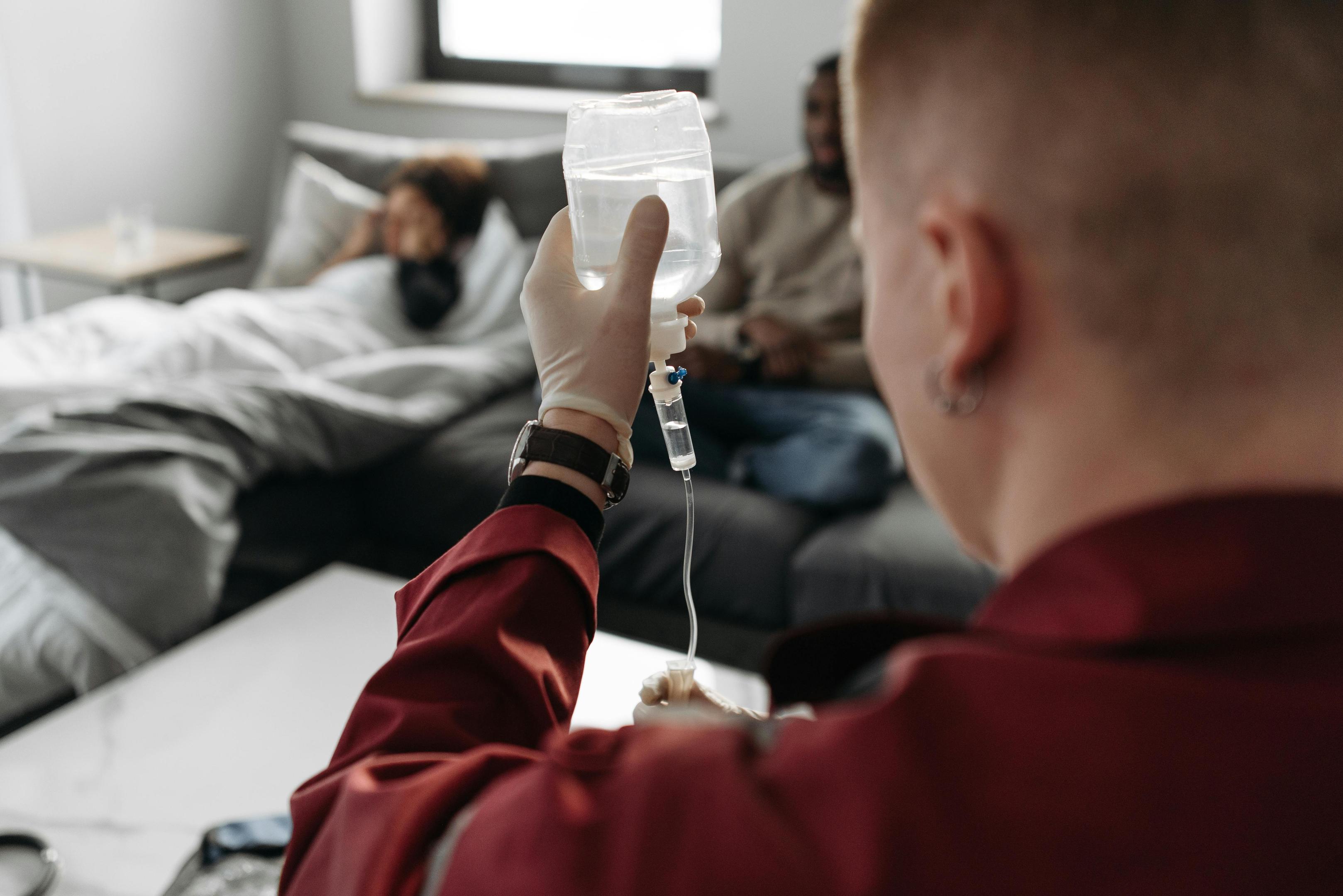
While some do more drugs to prevent these symptoms, others can ride them out and achieve a healthy recovery.
Why Do Withdrawal Symptoms Vary?
Withdrawal symptoms can vary significantly depending on the substance used, with common symptoms including anxiety, insomnia, nausea, and vomiting. Generally, withdrawal symptom onset occurs several hours after not using the drug, peaks within 24-72 hours, and begins to dissipate, fading within 1-2 weeks. However, various factors can extend or reduce drug detox duration, as follows:
- Extent of Drug Use: Individuals who used drugs heavily, for prolonged periods, at high doses, are likely to experience longer timelines.
- Type of Substance Use Disorder: Different drugs react differently within the body, producing stronger or milder withdrawal effects.
- Repeat Relapse: People who have gone through repeated cycles of recovery and relapse experience the Kindling Effect. Their bodies are more used to operating at higher dopamine levels, making withdrawal more extreme.
- Physical Health Conditions: Individuals with health conditions may experience prolonged and severe withdrawal as their bodies will struggle to adjust to a new normal.
- Mental Health Conditions: Detox causes psychological symptoms that can be more severe in individuals with existing emotional disorders.
In some instances, PAWS (prolonged acute withdrawal syndrome) may occur with symptoms lasting months or even a year. According to a PubMed study, the condition typically appears in early abstinence and can last 4-6 weeks with symptoms including anxiety, dysphoria, anhedonia, sleep disturbance, cognitive impairment, cravings, and irritability. While difficult to deal with, PAWS can be managed and will eventually go away.
What Is the Detox Timeline By Substance?
This section will provide an opioid, stimulant, benzodiazepine, and alcohol detox overview.
Alcohol Withdrawal
- Stage 1: Mild Alcohol Withdrawal: Onset is 6-24 hours after the last drink, symptoms include headache, insomnia, anxiety, hand tremors, GI disturbances, and heart palpitations
- Stage 2: Moderate Alcohol Withdrawal: Onset is 24-48 hours after the last drink, symptoms include increased blood pressure or heart rate, confusion, mild hyperthermia, and rapid, abnormal breathing
- Stage 3: Severe Alcohol Withdrawal: Onset is 48-72 hours after the last drink, symptoms include visual or auditory hallucinations, seizures, disorientation, delirium tremens, and impaired attention (note: severe alcohol withdrawal symptoms like delirium tremens and seizures can be fatal)
Opioid Withdrawal
Timelines for opioid withdrawal varies, as follows:
- Short-Acting: Onset is 8-24 hours after last dose, with a duration of 4-10 days
- Longer-Acting Opioids: Onset is 12-48 hours after last use, with a duration of 10-20 days
Opioid withdrawal symptoms include:
- Early Symptoms: Agitated state, anxiety, muscle aches, increased tearing (lacrimation), insomnia, runny nose (rhinorrhea), excessive sweating, and yawning
- Peak Symptoms: Drug craving, anxiety, restless legs syndrome, nausea, vomiting, diarrhea, sweating, and elevated heart rate
Stimulant Withdrawal
Stimulant withdrawal symptoms typically include low mood, depression, low energy, and lethargy. With cocaine, these last a few hours. Methamphetamine users may experience withdrawal symptoms for a few days, peaking after 2-3 days, and gradually disappearing throughout the week, though for some, these symptoms can last for months.
Benzodiazepine Withdrawal
- Short-Acting Benzodiazepine: Onset is 1-2 days after the last use and continues for 2-4 weeks or more
- Long-acting benzodiazepines: Onset is 2-7 days after the last use and continues 2-8 weeks or more
Symptoms may include nervousness/anxiety, sleep disturbances, low energy, and difficulty focusing. Like alcohol, life-threatening seizures can also occur.
How Does Encino Detox Center Manage Withdrawal Symptoms?
Withdrawal can be the most difficult part of the recovery process, but Encino Detox Center of Southern California can treat symptoms with medical and psychological care. We integrate the following approach:
- Medical Detox: Detoxing from certain substances, especially alcohol and benzodiazepines, can be life-threatening if done without medical supervision. Supervised medical detox is considered the gold standard for ensuring a safe withdrawal from substance abuse, as it allows for the management of withdrawal symptoms and minimizes the risk of life-threatening complications. Medications are used to keep symptoms and cravings under control.
- A Supervised Approach: Our medical professionals supervise clients throughout the process, monitoring vital signs to prevent complications. The oversight also supports relapse prevention.
- Monitoring Physical and Psychological Symptoms: Detox produces unpleasant physical and psychological symptoms that can lead to suicidal ideation. We provide a calming environment to ensure optimal comfort.
What Happens After Detox?

After the initial stages of treatment are complete, clients move on to the next stage of recovery, addressing the underlying cause of addiction. Evidence-based practices are integrated to treat mental health disorders that may contribute to dependency issues. Clients are taught coping strategies so they can deal with emotions without using drugs and alcohol.
Various therapies may be integrated, and commonly include cognitive behavioral therapy (CBT), dialectical behavioral therapy (DBT), and motivational interviewing.
Encino Detox Centers Will Help You Through the Recovery Process
Encino Detox Centers is the optimal destination for addiction recovery. We offer comprehensive treatment options that extend from inpatient rehab to our alumni program. Our team provides evidence-based practices that integrate with holistic care and a dual diagnosis approach.
Contact us to find out how our professional support team can guide you toward a comfortable and successful recovery.
FAQs
Can detox be dangerous?
Detox can be dangerous if attempted at home, especially for benzo and alcohol withdrawal, which carries a risk of life-threatening symptoms. It is safer to get professional help to monitor your symptoms and ensure a safe recovery.
What’s the difference between detox and rehab?
Detox is typically the first stage of recovery, addressing the physical aspects of addiction and managing cravings and withdrawal symptoms. Rehab is integrated in the later stages, focusing on mental conditions that may have contributed to dependency issues.
Will withdrawal be painful?
Withdrawal can be uncomfortable, but medical detox helps. It reduces physical and emotional symptoms, making the process as pleasant as possible.
Is acid withdrawal real?
Acid is not physically addictive, so acid withdrawal symptoms are not real in the clinical sense. However, it leads to greater tolerance and may produce lasting symptoms, such as changes in vision and perception.
Sources
- SAMHSA. “2024 National Survey on Drug Use and Health (NSDUH).” https://www.samhsa.gov/newsroom/press-announcements/20250728/samhsa-releases-annual-national-survey-on-drug-use-and-health
- NIH/NCBI StatPearls. “Alcohol Withdrawal Syndrome.” https://www.ncbi.nlm.nih.gov/books/NBK441882/
- NIH/NCBI. “Withdrawal Management.” https://www.ncbi.nlm.nih.gov/books/NBK310652/
- NIH/NCBI StatPearls. “Opioid Withdrawal.” https://www.ncbi.nlm.nih.gov/books/NBK526012/
- NIDA. “Clinical Opiate Withdrawal Scale (COWS).” https://nida.nih.gov/sites/default/files/ClinicalOpiateWithdrawalScale.pdf
- NIDA. “Methamphetamine.” https://nida.nih.gov/research-topics/methamphetamine
- PMC/NIH. “Benzodiazepine Withdrawal Survey.” https://pmc.ncbi.nlm.nih.gov/articles/PMC9905027/
- PMC/NIH. “Pharmacologic Treatments for Opioid Dependence.” https://pmc.ncbi.nlm.nih.gov/articles/PMC3202507/
- NIAAA. “Alcohol Use Disorder: From Risk to Diagnosis to Recovery.” https://www.niaaa.nih.gov/health-professionals-communities/core-resource-on-alcohol/alcohol-use-disorder-risk-diagnosis-recovery
- NIDA. “Medications for Opioid Use Disorder.” https://nida.nih.gov/research-topics/medications-opioid-use-disorder
- Journal of Studies on Alcohol and Drugs. “Neurobiology and Symptomatology of Post-Acute Alcohol Withdrawal: A Mixed-Studies Systematic Review.” https://pubmed.ncbi.nlm.nih.gov/35838422/
- The Journal for Nurse Practitioners / ScienceDirect. “Identification and Evidence-Based Treatment of Post-Acute Withdrawal Syndrome.” https://www.sciencedirect.com/science/article/abs/pii/S1555415521005523
- SAMHSA. “Protracted Withdrawal, Substance Abuse Treatment Advisory.” https://library.samhsa.gov/product/protracted-withdrawal/sma10-4554