

















The ten best foods for alcohol detox are leafy greens, eggs, lean proteins, bananas, nuts, probiotics, avocado, cruciferous vegetables, whole grains, and water (though not technically a food, it’s essential to the detox process). Find out how they guide the recovery journey.
Key Takeaways
- Nutritious foods are key during alcohol detox, as they make up for nutrients depleted with alcohol consumption while supporting immunity and general health.
- Various foods should be included, including berries, whole grains, leafy greens, cruciferous vegetables, eggs, fruit, avocado, nuts, and seeds.
- Overall, you should look for foods that are high in nutrients, protein, complex carbs, magnesium, thiamine, and zinc.
Table of Contents
- Why is Hydration So Important During the Detox Process?
- Can Leafy Greens Help Replenish Nutrients Lost to Alcohol?
- Why are Eggs Often Recommended During Alcohol Recovery?
- How Do Berries Support the Alcohol Detox Diet?
- What Role Do Whole Grains Play in Stabilizing Blood Sugar?
- Why are Bananas and Citrus Fruits Beneficial During Recovery?
- Can Nuts and Seeds Help Restore Essential Nutrients?
- How Do Probiotic-Rich Foods Support Gut Health After Alcohol Use Disorder?
- Why Is Avocado a Smart Addition to a Liver-Supportive Diet?
- What Other Foods Support the Liver During Detox?
- Encino Detox Supports You On Your Recovery Journey
- FAQs
Introduction
Chronic alcohol use depletes the body of nutrients, stresses the liver, disrupts digestion, and causes dehydration. A 2025 study reveals that 29.5 million Americans with AUD are at risk of malnutrition. A healthy diet is necessary during the healing process. It refills nutrient stores, eases strain on the liver, stabilizes blood sugar, and supports gut health.
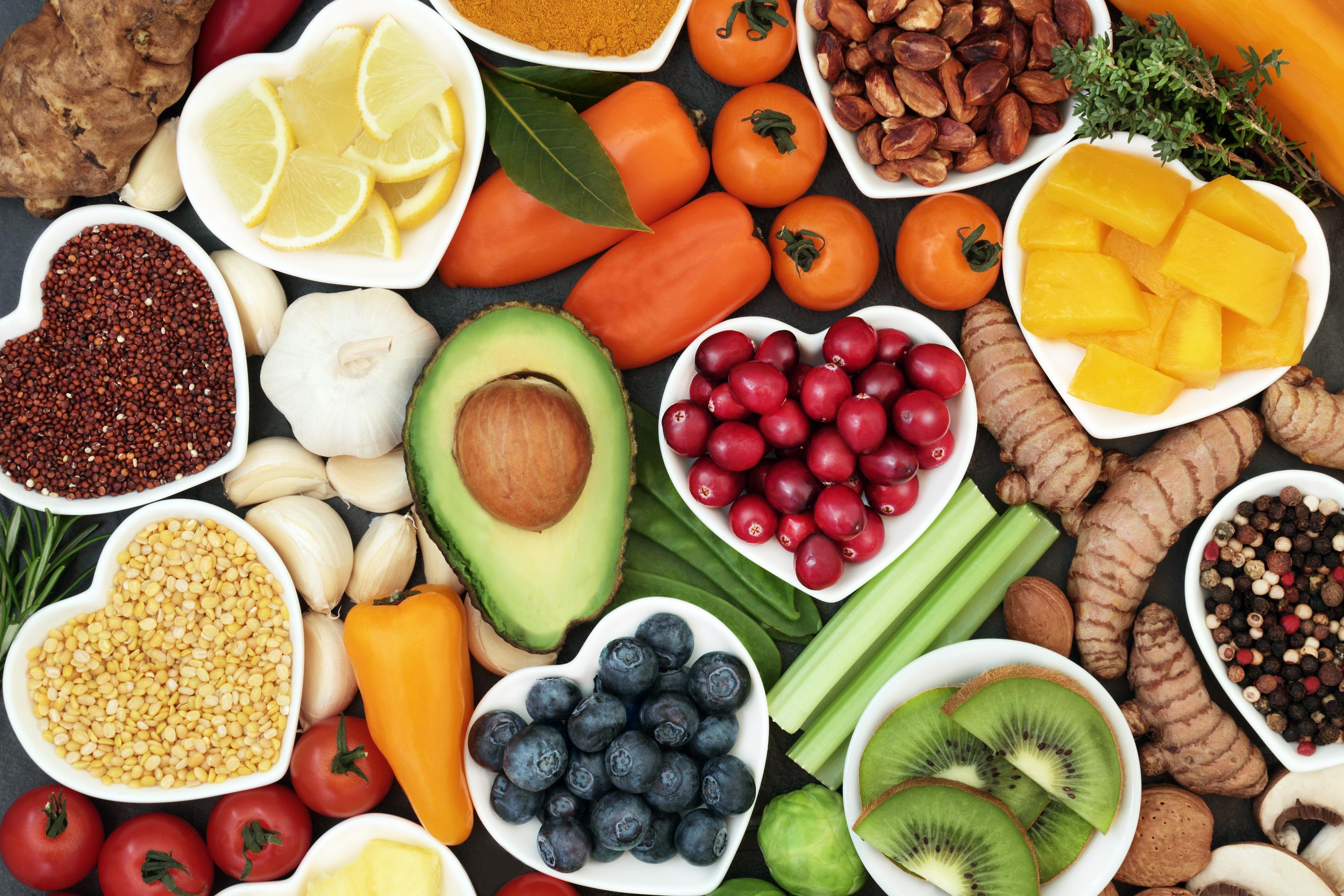
The right detox diet includes a mix of nutrient-dense foods, healthy fats, lean proteins, probiotics, and plenty of water. This alcohol recovery guide will explore what foods you should be consuming to overcome alcohol abuse.
Why is Hydration So Important During the Detox Process?
Hydration is essential during detox because it replenishes the body’s fluids and electrolyte reserves.
Alcohol is a diuretic, meaning it increases urine output, depleting the body’s fluids and electrolytes. Fluid loss continues during alcohol withdrawal due to symptoms like vomiting and diarrhea.
Water can help, but electrolyte-rich fluids, such as coconut water, broth, and rehydration solutions, can address nutrient deficiencies, including magnesium, potassium, and other minerals commonly lost during heavy drinking, helping the body stabilize.
Can Leafy Greens Help Replenish Nutrients Lost to Alcohol?
Leafy greens, like spinach and kale, are rich in nutrients commonly depleted during chronic alcohol use, such as B vitamins, magnesium, and folate.
Magnesium from leafy greens is especially valuable, as deficiencies are common among heavy drinkers due to reduced dietary intake, gastrointestinal losses, and increased urinary losses. They can interfere with how the body uses thiamine, which is critical to nervous system function.
Leafy greens also provide folate, which can disrupt alcohol absorption, and antioxidants that offset oxidative stress on the liver and other tissues.
Why are Eggs Often Recommended During Alcohol Recovery?
Eggs are commonly integrated in a detox diet because they are nutrient-dense, easy to prepare, and gentle on the stomach. They contain cysteine, an amino acid that assists liver detoxification, and choline, which supports liver cell metabolism.
They are also rich in protein, helping compensate for protein losses that commonly occur with alcohol addiction. Eggs also stabilize blood sugar and support tissue repair.
How Do Berries Support the Alcohol Detox Diet?
A 2023 study reveals that berry consumption has beneficial results on stress biomarkers, reducing oxidative stress that accumulates during heavy drinking. Berries are rich in antioxidants, including Vitamin C, which alcohol depletes and the body does not store in large reserves.
Their taste satisfies sweet tooth cravings without the sharp blood sugar spikes that come from processed sweets. Their soft texture makes them easy to eat when appetite is low, and their high water content can be beneficial in cases of dehydration
What Role Do Whole Grains Play in Stabilizing Blood Sugar?
Whole grains, such as oats, brown rice, quinoa, and whole-wheat bread, help counter alcohol’s effects on blood sugar regulation. The liver normally stores and releases glucose to keep blood sugar steady, but alcohol impairs this ability and interferes with the liver’s production of new glucose. As a result, individuals become more prone to hypoglycemia, a common alcohol withdrawal symptom during detox.
The complex carbohydrates in whole grains digest more slowly than the sugar in alcohol, helping provide a steadier release of glucose, rather than the spikes and crashes that come with simple carbs. The steady supply takes pressure off the liver, which is already working hard to recover.
Why are Bananas and Citrus Fruits Beneficial During Recovery?
Bananas are rich in potassium, a mineral commonly lost during alcohol detox. It supports muscle and nerve function, which may be relevant if the individual is experiencing tremors and muscle cramping during withdrawal. The fruit’s sweet taste satisfies sugar cravings.
Citrus fruits are also beneficial because they are rich in the antioxidant, Vitamin C, which helps fight alcohol-related free radicals.
Can Nuts and Seeds Help Restore Essential Nutrients?
Almonds, walnuts, pumpkin seeds, and sunflower seeds are high in zinc and magnesium, two minerals often depleted with heavy drinking. Zinc plays a role in immune funciton and supports the gut lining, making a deficiency particularly harmful during detox.
Nuts and seeds are also beneficial for their healthy fats, protein, and ability to keep blood sugar steady.
How Do Probiotic-Rich Foods Support Gut Health After Alcohol Use Disorder?
Yogurt, kefir, and other fermented foods introduce beneficial bacteria back into the gut after alcohol-related depletion. They also help restore a more balanced environment in the digestive system, leading to improved nutrient absorption and supporting faster recovery.
Why Is Avocado a Smart Addition to a Liver-Supportive Diet?
Avocados are a great source of monounsaturated fats and glutathione-supporting compounds, which support liver recovery. Glutathione is vital to liver detoxification, and chronic alcohol use is known to deplete glutathione stores and increase oxidative stress in the liver.
These fruits are also a source of healthy fats, and are calorie-dense and easy to eat, helping individuals meet nutritional goals, even when appetite is low.
What Other Foods Support the Liver During Detox?
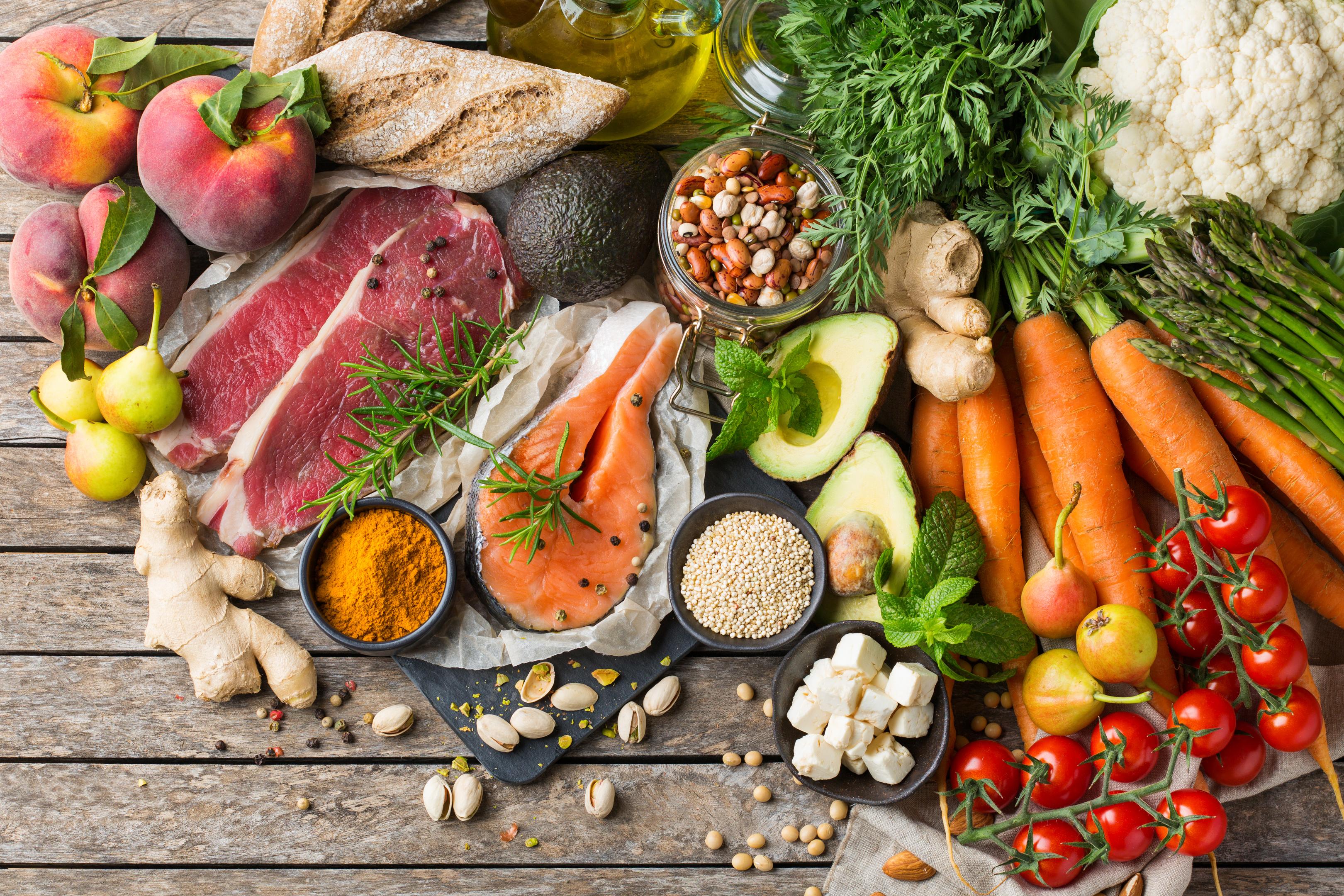
Cruciferous vegetables, such as broccoli, cauliflower, and Brussels sprouts, contain compounds that support liver detoxification. They help the liver process and clear toxins more efficiently, reducing the strain caused by withdrawal. For optimal support, sprinkle these veggies with garlic, which offers sulfur-containing compounds that further support the detox process.
Encino Detox Supports You On Your Recovery Journey
Encino Detox takes a whole-person approach to the recovery process. We understand the importance of a balanced diet, as well as the need to focus on mental health, withdrawal symptoms, and alcohol cravings. Our team offers a comprehensive care plan in a luxury setting to support lasting recovery from substance abuse.
Contact us to learn more about our extensive services.
FAQs
Can what you eat really make a difference during alcohol detox?
Yes, while food cannot reduce withdrawal symptoms on its own, it can replenish vitamins and minerals, helping the body better withstand the detox process. It also clears toxins and supports general health.
What foods should you avoid during alcohol detox?
People going through alcohol detox should avoid processed foods, refined sugar, and fast food. Sugar is especially harmful because it can cause blood sugar spikes and crashes. Caffeine and high-sodium foods should also be avoided because they contribute to dehydration, while spicy and fatty foods can irritate the digestive system at a delicate time.
Why is blood sugar a concern during alcohol withdrawal?
People in withdrawal are often prone to hypoglycemia, or low blood sugar. The symptoms, which include shakiness, sweating, and anxiety, are similar to withdrawal symptoms and can intensify them. Eating regular meals with complex carbohydrates and protein reduces the risk during this vulnerable period.
How much water should you drink during alcohol detox?
There is no universal prescription for how much water you should drink during alcohol detox, but the main advice is to stay hydrated. Plain water is the foundation, but you should also drink electrolyte-rich beverages like coconut water and broth. Avoid caffeinated drinks that have diuretic effects.
Are there any vitamins or supplements that help during alcohol detox?
Thiamine is the best vitamin you can take during alcohol detox, as 80% of people with AUD have a thiamine deficiency. Magnesium, folate, and vitamin C are also recommended. However, it is best to get nutrients from whole foods.
How long does alcohol rehab last?
Alcohol rehab duration varies depending on the severity of the addiction, your physical and mental health, and the level of care needed. Most will successfully detox in a week, but rehab, which focuses on the underlying cause of addiction, can take months or even a year.
Sources
- PMC (National Library of Medicine). “The Influence of Alcohol Consumption on Intestinal Nutrient Absorption: A Comprehensive Review.” https://pmc.ncbi.nlm.nih.gov/articles/PMC10096942/
- PMC (National Library of Medicine). “Development, Prevention, and Treatment of Alcohol-Induced Organ Injury: The Role of Nutrition.” https://pmc.ncbi.nlm.nih.gov/articles/PMC5513692/
- PMC (National Library of Medicine). “The Gastrointestinal Microbiome: Alcohol Effects on the Composition of Intestinal Microbiota.” https://arcr.niaaa.nih.gov/alcohol-and-immune-system/gastrointestinal-microbiome-alcohol-effects-composition-intestinal-microbiota
- PMC (National Library of Medicine). “The Intestinal Microbiome and the Leaky Gut as Therapeutic Targets in Alcoholic Liver Disease.” https://pmc.ncbi.nlm.nih.gov/articles/PMC3468817/
- PMC (National Library of Medicine). “Gut Microbiome Dysbiosis in Alcoholism: Consequences for Health and Recovery.” https://pmc.ncbi.nlm.nih.gov/articles/PMC8928144/
- PMC (National Library of Medicine). “Alcohol Addiction, Gut Microbiota, and Alcoholism Treatment: A Review.” https://pmc.ncbi.nlm.nih.gov/articles/PMC7504034/
- PMC (National Library of Medicine). “A Complex Interplay between Nutrition and Alcohol Use Disorder: Implications for Breaking the Vicious Cycle.” https://pmc.ncbi.nlm.nih.gov/articles/PMC12085226/
- PMC (National Library of Medicine). “Blueberry and Cranberry Extracts Mitigate CCL4-Induced Liver Damage, Suppressing Liver Fibrosis, Inflammation and Oxidative Stress.” https://pmc.ncbi.nlm.nih.gov/articles/PMC10147973/
- PMC (National Library of Medicine). “Dietary Supplementation of Blueberry Juice Enhances Hepatic Expression of Metallothionein and Attenuates Liver Fibrosis in Rats.” https://pmc.ncbi.nlm.nih.gov/articles/PMC3595269/
- PMC (National Library of Medicine). “The Effect of Berry Consumption on Oxidative Stress Biomarkers: A Systematic Review of Randomized Controlled Trials in Humans.” https://pmc.ncbi.nlm.nih.gov/articles/PMC10376627/
- PMC (National Library of Medicine). “The Role of Thiamine Deficiency in Alcoholic Brain Disease.” https://pmc.ncbi.nlm.nih.gov/articles/PMC6668887/
- University of Virginia Division of Gastroenterology and Hepatology. “Treating Nutritional Deficiencies of Alcohol Withdrawal Syndrome.” https://med.virginia.edu/ginutrition/wp-content/uploads/sites/199/2021/06/Alcohol-Withdrawal-June-2021.pdf
- AASLD. “Why Is Nutrition So Important in Alcohol Associated Liver Disease?” https://www.aasld.org/liver-fellow-network/core-series/why-series/why-nutrition-so-important-alcohol-associated-liver
- Journal of Laboratory and Precision Medicine. “Literature Review: Drug and Alcohol-Induced Hypoglycaemia.” https://jlpm.amegroups.org/article/view/6405/html
- Medscape. “Withdrawal Syndromes Workup: Laboratory Studies, Imaging Studies, Other Tests.” https://emedicine.medscape.com/article/819502-workup
- PubMed. “Alcohol Craving in Rehabilitation: Assessment of Nutrition Therapy.” https://pubmed.ncbi.nlm.nih.gov/2016494/
- Psychiatry Investigation. “Psychiatric Implications of Nutritional Deficiencies in Alcoholism.” https://www.psychiatryinvestigation.org/m/journal/view.php?number=744