
















Residential treatment programs offer round-the-clock oversight for people who are struggling with addiction and mental health issues and require highly structured care. Learn more about what they entail and what Encino Detox Center offers.
Key Takeaways
- Residential treatment programs offer 24/7 care for people who need a highly structured environment when battling addiction and mental health issues.
- Programs follow a regular routine, with scheduled wake-up, sleep, and meal times, and therapy throughout the day.
- Treatment facilities can offer traditional and luxury environments. While both offer similar therapies, luxury centers provide upscale amenities that can make it easier to adhere to the program.
- Individuals typically begin residential treatment programs after a careful assessment. They may also need to stabilize through a detox process.
- Residential treatment offers several benefits, including removal from triggers, a structured environment, peer support, and a transition to aftercare.
Table of Contents
- What is Residential Treatment?
- Who is Residential Treatment For?
- What Does a Day at a Residential Treatment Center Look Like?
- What Is the Environment Like in a Residential Treatment Facility?
- What Is the Admissions Process Like?
- What Are the Benefits of Residential Treatment?
- Get the Intensive Treatment You Require at Encino Detox
- FAQs
Introduction
Level of care is an important consideration in addiction treatment. It ensures a personalized treatment plan that meets clients where they are on their recovery journey. Clinicians reassess regularly to guide the intensity of care.
Residential treatment is often the first level of treatment after stabilizing from detox. It involves 24/7 supervision for individuals at risk of relapse and crisis. NCBI research reveals that people with substance abuse disorders who received residential treatment were more likely to complete their programs and sustained abstinence at higher rates than outpatients.
Learn more about what the program entails.
What is Residential Treatment?
Residential treatment is a live-in program providing treatment for substance use and severe mental health issues. It is typically the first level of care after clients stabilize from detox. The stay is temporary, typically lasting 30-45 days at Encino Detox.
After this stage of treatment, clients move on to our Alumni Program, which offers resources, programming, meetings with a licensed therapist, and opportunities to stay connected to support their recovery journey.
Who is Residential Treatment For?
Residential programs are for people who need a structured and supportive environment for recovery, due to the following factors:
- High risk of crisis, relapse, or self-harm
- An unsafe home environment
- Little success with outpatient therapy
- Addiction accompanies severe mental health issues
What Does a Day at a Residential Treatment Center Look Like?
An average day at a treatment facility is structured, with regular wake-up, meal, and sleep times and therapy sessions throughout the day. Here’s a sample schedule.
Morning
- 6:30–7:30 AM: Wake-up, personal hygiene, morning wellness practice (meditation, stretching, or light exercise)
- 7:30–8:30 AM: Breakfast
- 8:30–9:00 AM: Medication management (if applicable)
- 9:00–10:00 AM: Community/check-in group — clients share how they’re feeling, set intentions for the day
Late Morning
- 10:00–11:30 AM: Individual therapy sessions (rotating schedule), family therapy, or process group
- 11:30 AM–12:30 PM: Psychoeducational group (relapse prevention, coping skills, life skills)
Midday
- 12:30–1:30 PM: Lunch
- 1:30–2:00 PM: Free time/rest period
Afternoon
- 2:00–3:30 PM: Group therapy (CBT, DBT, trauma-informed, or 12-step-based support groups, depending on the program)
- 3:30–4:30 PM: Experiential or holistic therapy (art therapy, yoga, equine therapy, mindfulness, etc. — varies widely by facility)
- 4:30–5:30 PM: Free time, exercise, or recreational activity
Evening
- 5:30–6:30 PM: Dinner
- 6:30–7:30 PM: Evening group (often 12-step meeting, family-style group, or reflection group)
- 7:30–9:00 PM: Free time, journaling, phone calls with family (often limited/scheduled)
- 9:00–10:00 PM: Wind-down, evening check-in
- 10:00–10:30 PM: Lights out
What Is the Environment Like in a Residential Treatment Facility?

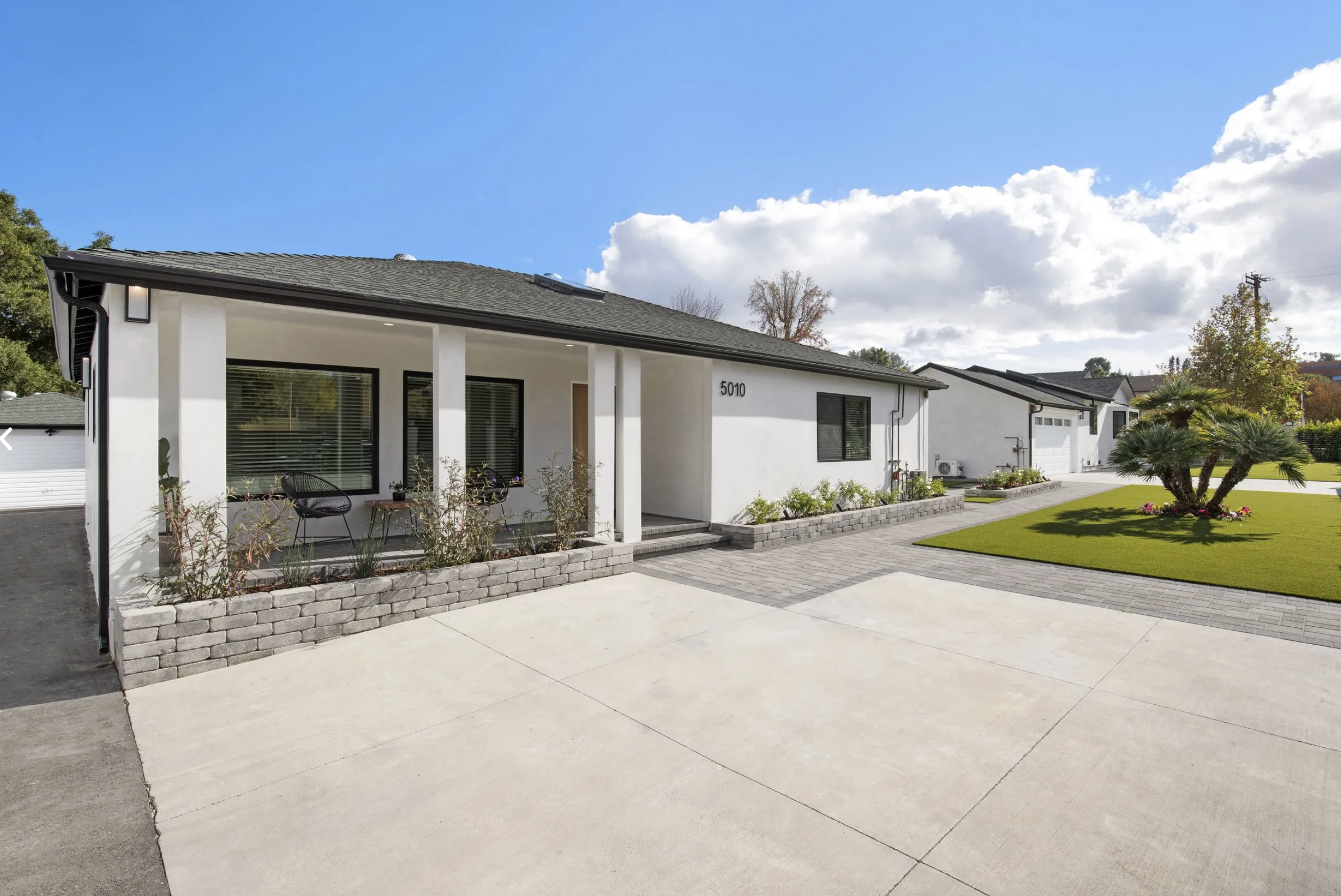
The environment in an inpatient treatment facility varies, ranging from traditional to luxury. A traditional facility may offer a clean, comfortable, homey environment, while a luxury facility offers upscale amenities, private rooms, and gourmet meals.
Encino Detox Center offers a luxury environment against a beautiful Los Angeles setting, including:
- Spacious private and semi-private rooms
- Chef-prepared meals
- Relaxing outdoor areas
- Holistic therapies
- Intimate group therapy sessions
- Unmatched attention
- Highly individualized treatment plans
- Fast clinical responses
What Is the Admissions Process Like?
The admissions process at Encino includes a clinical assessment, medical stabilization, and individualized treatment planning.
- Clinical Assessment: Our mental health professionals and clinical staff evaluate each client’s overall well-being, medical needs, and safety considerations to support a smooth recovery.
- Medical Stabilization and Support: If medically necessary, clients undergo detox, addressing the physical bonds of addiction. Medical supervision reduces the risk of complications.
- Individualized Treatment Planning: We develop a plan that considers underlying mental health challenges, goals, and lifestyle, integrating evidence-based modalities like CBT, DBT, and motivational interviewing.
What Are the Benefits of Residential Treatment?
Residential treatment offers several benefits, including removal from triggers, a structured environment, peer support, and continuity of care.
- Removal From Triggers: Clients are removed from stressors and temptation, minimizing the risk of relapse and helping them focus on their recovery.
- Structured Environment: The structure supports stress management and offers guidance for building a routine as clients reintegrate into everyday life.
- Peer Support: A core offering of residential treatment, peer support reduces isolation, helps clients understand they are not uniquely broken, and allows them to build a network for relapse prevention.
- Continuity of Care: After residential care, clients move on to an alumni program that supports sobriety maintenance. A PubMed study reveals that continuity of care leads to better long-term outcomes.
Get the Intensive Treatment You Require at Encino Detox
Encino Detox is a premier destination for residential treatment in Los Angeles. Clients can heal in a luxury environment and benefit from evidence-based therapies and holistic practices that support whole-person healing. Our comprehensive treatment process supports long-term recovery and better emotional health.
Contact us to learn more about what we offer.
FAQ
What is residential treatment?
Residential treatment is a live-in level of care where clients stay at a facility full-time to receive structured, 24/7 support for substance use, mental health, or co-occurring disorders.
How long does residential treatment last?
At Encino Detox, residential treatment typically lasts 30-45 days. However, some facilities can extend it to 90 days.
What’s the difference between residential and outpatient treatment?
Residential treatment requires you to live in a facility while you undergo treatment and is designed for individuals who need structured support. Outpatient care lets clients receive treatment while living at home, offering a less structured approach. Levels of care vary in intensity.
Who is residential treatment for?
Residential treatment is typically recommended for individuals at risk of crisis and those who have severe co-occurring conditions, an unstable home environment, or have been unsuccessful with outpatient treatment.
What happens after residential treatment ends?
After residential treatment ends, most facilities offer an aftercare program that provides ongoing support for sobriety maintenance.
Sources
- Treatment Programs for Substance Use Disorder. NCBI Bookshelf, National Library of Medicine. https://www.ncbi.nlm.nih.gov/books/NBK584391/
- Predictive Validity of Two Process-of-Care Quality Measures for Residential Substance Use Disorder Treatment. NCBI, National Library of Medicine. https://www.ncbi.nlm.nih.gov/pmc/articles/PMC4672518/
- Residential Treatment for Substance Use Disorder. NCBI Bookshelf, National Library of Medicine. https://www.ncbi.nlm.nih.gov/books/NBK541232/
- Alumni Program. The Encino Recovery and Detox Center. https://theencinodetoxcenter.com/alumni-program/
- The Encino Detox Center. The Encino Recovery and Detox Center. https://theencinodetoxcenter.com/start-treatment/
- Luxury Drug Detox & Rehab in Los Angeles. The Encino Recovery and Detox Center. https://theencinodetoxcenter.com/